Top Three Companion Plants For Orchards
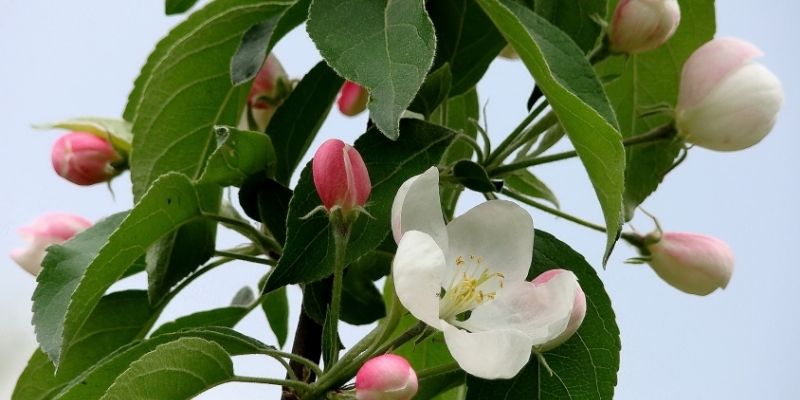
Companion planting, the practice of growing specific plants alongside fruit trees to enhance their health, yield, and resilience, is a cornerstone of sustainable gardening. This approach leverages natural synergies to support pollination, deter pests, and enrich soil without relying heavily on chemical interventions. Among the many plants suitable for this purpose, three stand out for their versatility and effectiveness in British orchards: comfrey, chives, and bee balm. These companions offer distinct benefits, from nutrient cycling to pest control, making them ideal for enhancing fruit tree performance. For gardeners seeking to establish or expand their orchards, sourcing high-quality fruit trees for sale from reputable nurseries is a critical first step to ensure robust growth and compatibility with these companions.
A nursery specialist from Chris Bowers, a trusted UK supplier with over 30 years of experience found at this website, advises that integrating companion plants into orchards requires careful consideration of soil conditions and tree varieties. “Selecting the right companions, such as nutrient-rich herbs or pest-repelling flowers, can significantly boost orchard health,” the specialist explains. “When planning, ensure your fruit trees are sourced from certified stock to guarantee disease-free growth, allowing companion plants to work effectively alongside them.” This guidance underscores the importance of starting with healthy trees to maximise the benefits of companion planting.
Comfrey: The Nutrient Powerhouse
Comfrey, known scientifically as Symphytum officinale, is a perennial herb celebrated for its deep-rooted ability to mine nutrients from the subsoil. Its extensive root system, which can penetrate up to two metres, draws up essential minerals like potassium, calcium, and phosphorus, which are often inaccessible to fruit trees with shallower roots. When comfrey leaves are cut and left to decompose around the base of trees, they act as a natural mulch, slowly releasing these nutrients into the soil. This process reduces the need for synthetic fertilisers, aligning with organic gardening principles popular among British growers.
In addition to its nutrient contributions, comfrey serves as a living mulch, suppressing weeds that compete with fruit trees for water and nutrients. Its broad, lush leaves create a dense canopy that shades the soil, retaining moisture—a valuable trait in the UK’s variable climate. For apple, pear, or plum trees, comfrey can be planted in small clusters around the base, ensuring it does not overshadow the tree’s root zone. Gardeners sourcing fruit trees for sale should consider pairing them with comfrey to establish a self-sustaining nutrient cycle, particularly for trees on dwarf or semi-dwarf rootstocks, which benefit from enriched soil.
Comfrey also attracts pollinators such as bees, which are vital for fruit tree pollination. Its tubular flowers, blooming in shades of purple or pink from late spring to early summer, provide nectar for native bees, enhancing fruit set in orchards. However, care must be taken to manage comfrey’s vigorous growth, as it can spread rapidly if not cut back regularly. Planting it in contained areas or using barriers can prevent it from becoming invasive, ensuring it remains a supportive companion rather than a competitor.
Chives: The Pest-Repelling Ally
Chives, or Allium schoenoprasum, are a low-maintenance, hardy perennial that offer multiple benefits as a companion plant for fruit trees. Their pungent aroma, derived from sulphur compounds, acts as a natural deterrent for common orchard pests such as aphids, spider mites, and certain beetles. This pest-confusing property makes chives particularly valuable for organic orchards, where chemical pesticides are avoided. By planting chives in rings or patches around the base of fruit trees, gardeners can create a protective barrier that reduces pest pressure without harming beneficial insects.
Beyond pest control, chives contribute to disease prevention, particularly for apple trees susceptible to scab, a fungal disease prevalent in the UK’s damp climate. When brewed into a tea and applied as a foliar spray, chives can help suppress fungal spores, offering a natural alternative to chemical fungicides. This practice is especially effective for young trees, which are more vulnerable to disease. For those purchasing fruit trees for sale, selecting disease-resistant varieties and pairing them with chives can further enhance orchard resilience.
Chives also serve as a ground cover, their dense clumps helping to suppress grass and weeds that compete with fruit trees for resources. Their delicate purple flowers, blooming in early summer, attract pollinators like bees and hoverflies, which not only aid fruit tree pollination but also prey on pest insects. Chives are easy to propagate, either by division or seed, making them a cost-effective choice for gardeners establishing new orchards. Their adaptability to various soil types and tolerance of partial shade make them suitable for planting beneath the canopy of mature trees, ensuring they integrate seamlessly into diverse orchard designs.
Bee Balm: The Pollinator Magnet
Bee balm, or Monarda fistulosa, commonly known as wild bergamot, is a native perennial that excels at attracting pollinators to orchards. Its vibrant, tubular flowers, ranging from lavender to pink, bloom in mid to late summer, providing a rich nectar source for bees, butterflies, and hummingbirds. In the UK, where native bee populations are critical for pollinating fruit trees like apples and cherries, bee balm’s ability to draw in solitary bees, such as mason bees, is particularly valuable. These bees are often more efficient than honeybees at pollinating apple blossoms, leading to improved fruit yields.
Unlike many ornamental flowers, bee balm is well-suited to the UK’s temperate climate, thriving in both sunny and partially shaded conditions. Its tall stalks, reaching up to a metre, can be planted along orchard edges or in pollinator strips to create a habitat that supports biodiversity. This approach aligns with recommendations from conservation groups, which advocate for wildflower patches to enhance insect populations in agricultural settings. For gardeners sourcing fruit trees for sale, integrating bee balm into the orchard plan can ensure robust pollination, particularly for self-infertile varieties that require cross-pollination.
Bee balm also offers secondary benefits, including its aromatic foliage, which can deter certain pests like moths and beetles. Its leaves can be harvested for herbal teas, adding a functional element to its ornamental appeal. However, gardeners should be mindful of its susceptibility to powdery mildew in humid conditions, a common issue in the UK. Planting bee balm in well-ventilated areas and avoiding overhead watering can mitigate this risk, ensuring it remains a healthy companion for fruit trees.
Strategic Planting for Maximum Impact
To maximise the benefits of comfrey, chives, and bee balm, strategic planting is essential. These companions should be positioned to complement the specific needs of the fruit trees in the orchard. For instance, comfrey is best planted near the drip line of trees, where its decomposing leaves can enrich the soil without competing for water. Chives, with their pest-repelling properties, should be placed closer to the trunk, forming a protective ring that deters crawling insects. Bee balm, due to its height and pollinator-attracting qualities, is most effective along orchard borders or in dedicated pollinator patches, where it can draw beneficial insects without overshadowing smaller trees.
Spacing is another critical consideration. In traditional UK orchards, trees are often planted 5-6 metres apart on vigorous rootstocks like MM106 for apples or St Julien A for plums, allowing ample room for companion plants. In smaller gardens or modern orchards using dwarf rootstocks, such as those offered by specialist nurseries, closer planting distances of 2-3 metres are common. Companion plants must be arranged to avoid overcrowding, ensuring air circulation and light penetration for both trees and companions. For those exploring fruit trees for sale, selecting compact or supercolumn varieties can facilitate the integration of companion plants in limited spaces.
Soil preparation is equally important. Before planting companions, test the soil for texture, pH, and nutrient levels to ensure compatibility with both the fruit trees and their companions. Comfrey and chives tolerate a range of soil types but prefer well-drained, fertile conditions. Bee balm thrives in slightly moist soils but can adapt to drier conditions once established. Incorporating organic matter, such as compost or well-rotted manure, can enhance soil health, supporting the entire orchard ecosystem. Mulching with wood chips around companions, as recommended by permaculture experts, helps retain moisture and suppress weeds, creating a stable environment for young trees.
Enhancing Biodiversity and Resilience
Companion planting with comfrey, chives, and bee balm fosters a biodiverse orchard that mimics natural ecosystems. This diversity strengthens resilience against pests, diseases, and environmental stressors, such as the UK’s unpredictable weather. By attracting beneficial insects, these plants reduce the need for chemical interventions, aligning with the growing demand for organic produce among British consumers. Pollinators drawn by bee balm and chives enhance fruit set, while comfrey’s nutrient contributions improve tree vigour, leading to higher yields over time.
Biodiversity also supports wildlife beyond insects. Birds attracted to the orchard by companion plants, particularly bee balm’s flowers, can help control pest populations by feeding on caterpillars and other larvae. Creating habitats like wild hedges or pollinator patches, as suggested by conservationists, further enhances this effect. For gardeners purchasing fruit trees for sale, choosing varieties that complement these companions—such as disease-resistant apples or self-pollinating cherries—can amplify the ecological benefits.
Practical Considerations for UK Gardeners
For UK gardeners, timing and maintenance are key to successful companion planting. Autumn is the optimal season for planting both fruit trees and their companions, as it allows roots to establish before the growing season. Bare-root trees, widely available from nurseries like Chris Bowers & Sons, are particularly cost-effective and adapt well when planted alongside companions like comfrey. Regular maintenance, such as cutting back comfrey to prevent overgrowth or pruning bee balm to avoid mildew, ensures these plants remain effective partners.
Gardeners should also consider regional climates. In wetter areas like the West Country, where cider orchards thrive, chives can help combat fungal issues, while bee balm requires careful placement to avoid excessive moisture. In drier regions like East Anglia, comfrey’s moisture-retaining properties are particularly beneficial. Tailoring companion choices to local conditions ensures long-term success.
Conclusion
Companion planting with comfrey, chives, and bee balm offers a practical, eco-friendly way to enhance UK orchards. These plants provide nutrient cycling, pest control, and pollination support, creating a balanced ecosystem that reduces reliance on chemical inputs. By carefully selecting and positioning these companions, gardeners can boost the health and productivity of their fruit trees, whether in expansive traditional orchards or compact urban gardens. For those embarking on this journey, sourcing quality fruit trees for sale from reputable nurseries is the foundation for a thriving orchard, where these top three companions can work their magic.